 Optical Wonderful
Salvador Dalí
The Spanish surrealist whose 'paranoiac-critical method' produced paintings built around deliberate double images, hidden figures, and visual puns that reward - and reward again - a second look.
Salvador Dalí (1904–1989) is remembered first as one of the twentieth century's most flamboyant public figures and most technically accomplished painters, but a serious thread of his work is also directly relevant to the study of ambiguous imagery. Trained in classical technique at Spain's Real Academia de Bellas Artes de San Fernando before immersing himself in the Surrealist movement in Paris during the late 1920s, Dalí developed a painting style precise enough to render dreamlike, contradictory scenes with photographic conviction - a combination that made his double images unusually effective, since the underlying craftsmanship gave both readings of an image equal visual authority.
The paranoiac-critical method
Dalí gave a name to his own working method: the "paranoiac-critical method," a self-induced state in which he deliberately cultivated associative, quasi-hallucinatory ways of seeing, then rendered what emerged with total technical control. In practice, this frequently produced paintings containing two or more valid readings hidden within a single composition - a mountain range that is also a reclining figure, a bowl of fruit that is also a dog's face, a marketplace scene that resolves into the profile of Voltaire. The best-known example is probably Slave Market with the Disappearing Bust of Voltaire (1940), in which two robed figures standing in an archway simultaneously read as the bust and face of the philosopher Voltaire, an effect Dalí builds using the same figure-ground logic that underlies simpler black-and-white ambiguous-image illusions.
Dalí returned to this device repeatedly across his career, in works like Swans Reflecting Elephants (1937), where swans and their reflections in a lake double as the head and legs of elephants, and various paintings incorporating the face of his wife and muse Gala into landscape or architectural elements. He was explicit that these were not incidental visual puns but a deliberate exploration of how a single arrangement of forms could support multiple, mutually exclusive interpretations - essentially an artistic parallel to the same bistable perception that psychologists study using simpler figures.
Relationship to formal illusion research
It's worth being precise about Dalí's connection to the illusions catalogued elsewhere on this site: he was not a vision scientist, and his double images are not the same specific figures as, say, Rubin's vase or the duck-rabbit illusion - those are minimal, deliberately ambiguous psychological test stimuli, stripped down to make the two readings as evenly balanced as possible. Dalí's paintings work differently, embedding hidden or secondary images within a rich, detailed, and often narrative scene, closer in spirit to a "spot the hidden figure" puzzle than to a clean psychological demonstration. What connects the two is the underlying perceptual mechanism: both rely on the visual system's tendency to organize ambiguous visual information into one coherent interpretation at a time, and both can produce the same experience of a form suddenly "flipping" into a different reading once you notice it.
Why he matters to this subject
Dalí's significance to the study of optical illusion is primarily as evidence that ambiguous, bistable imagery is not only a laboratory curiosity but a rich vein for serious fine art - proof that the same perceptual quirks psychologists document with simple line drawings can be scaled up into technically masterful, emotionally resonant paintings without losing the essential trick. His work is frequently cited in popular and academic writing about visual ambiguity precisely because it shows the phenomenon operating at the far end of visual complexity, rather than in the stripped-down black-and-white figures more typical of perception research.
Illusions connected to Salvador Dalí
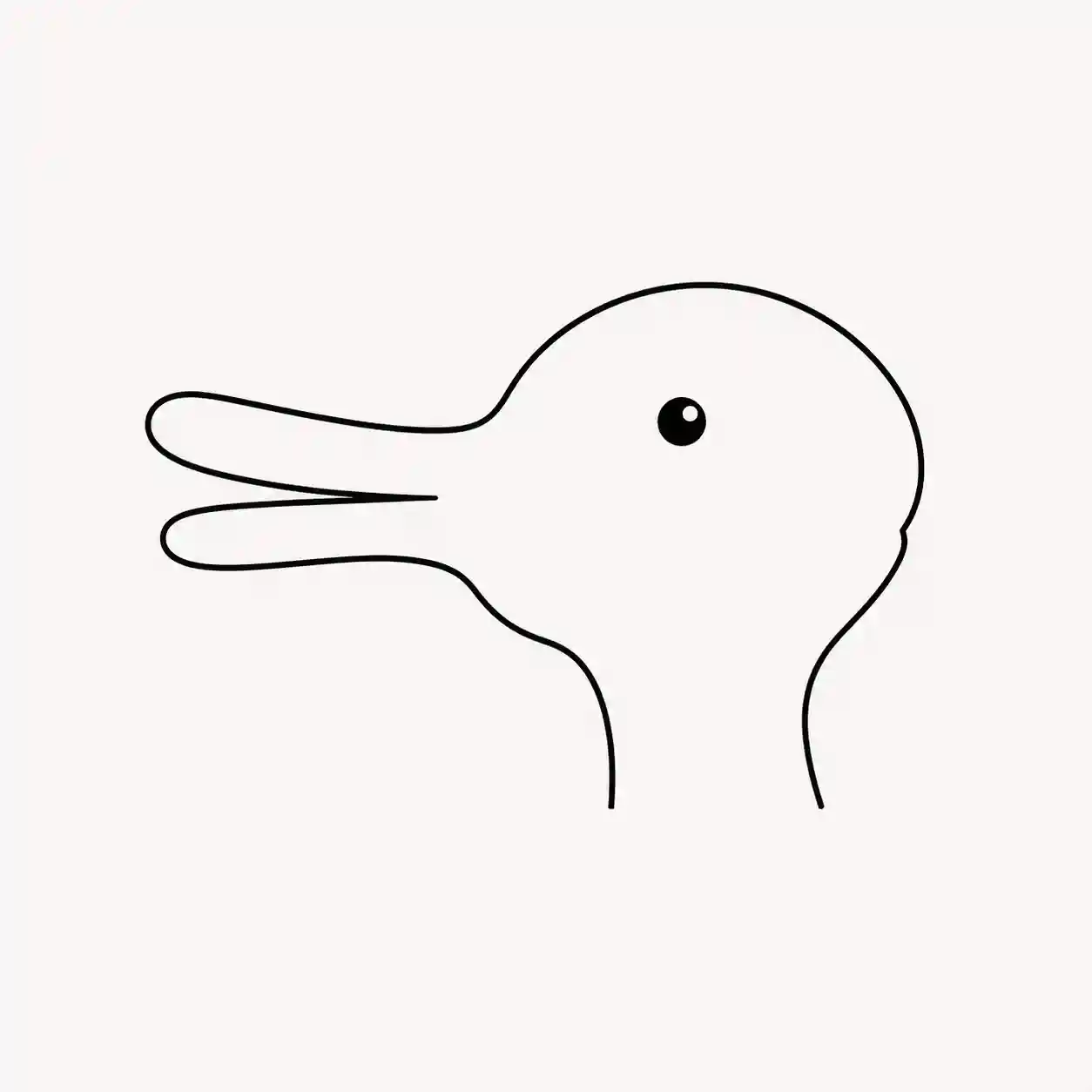 Ambiguous
Duck-Rabbit Illusion
A single sketch of two bumps and a line reads as either a duck's bill facing left or a rabbit's ears facing right, and most viewers can't hold both readings at once.
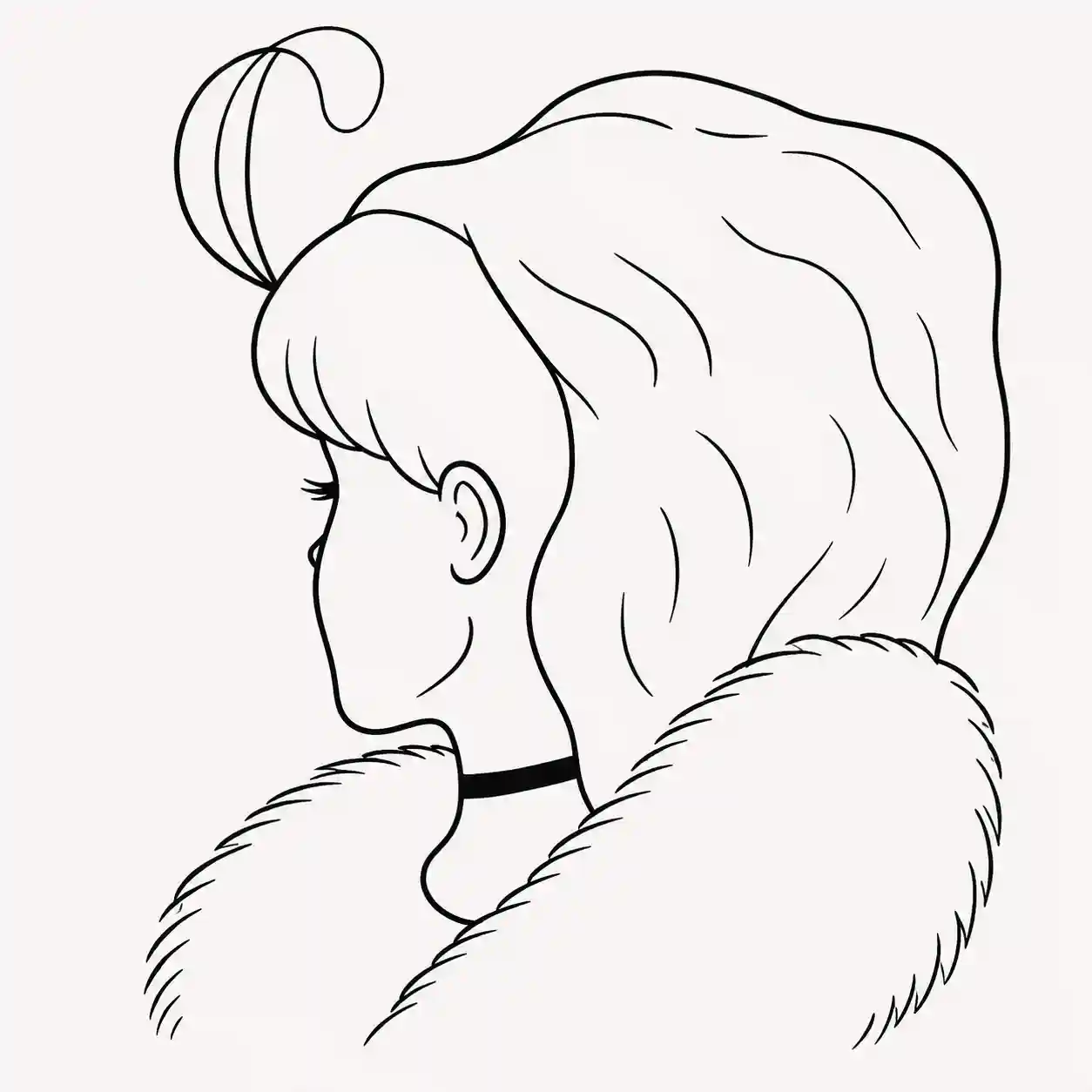 Ambiguous
My Wife and My Mother-in-Law (Old/Young Woman Illusion)
A single portrait sketch reads either as a young woman looking away or an elderly woman in profile, with the same curved line serving as a jawline in one reading and a nose in the other.
AmbiguousRubin's Vase (Face/Vase Illusion)
A single black-and-white silhouette that reads either as a vase or as two faces in profile, depending entirely on which region your brain currently treats as the object.